What Is Yizkor? Meaning, Dates and the Jewish Memorial Prayer
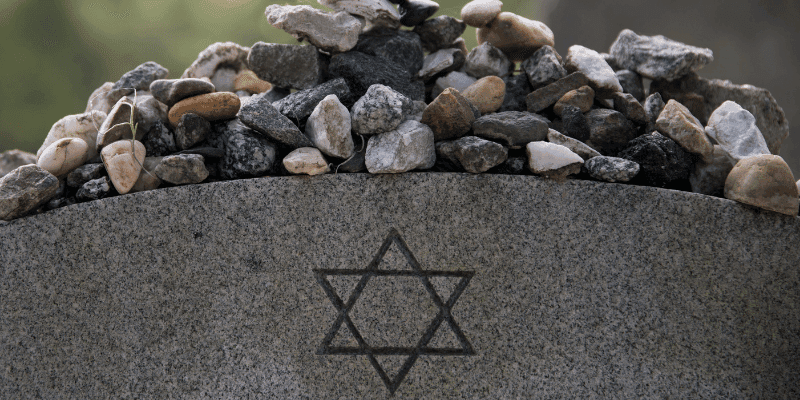
What Is Yizkor? Exploring the Jewish Memorial Prayer Service
Yizkor is a Jewish memorial prayer service that honours and remembers loved ones who have died and asks for God’s blessings upon their souls.
Recited four times a year, Yizkor brings us together through communal prayer, personal reflection, remembrance and pledges of charity. It provides a structured time to mourn and remember, allowing those in mourning to find solace within their community and their faith.
At a time when our Sydney Jewish community continues to carry both personal and collective grief, Yizkor also reminds us of the power of remembering together.
What does Yizkor mean?
The word Yizkor means “may God remember”.
At its heart, the Yizkor service is an act of remembrance. Through prayer and reflection, we honour those who have passed away and hold their memory within Jewish tradition and communal life.
What happens during the Yizkor service?
During Yizkor, we remember loved ones who have died through communal prayer and personal reflection. The service is also accompanied by pledges of charity in their memory.
Yizkor gives grief a place within Jewish communal life. It creates time to pause, remember and reflect—and to experience remembrance together rather than alone.
When is Yizkor recited?
Yizkor is traditionally recited four times each year in the synagogue:
- Yom Kippur
- Shemini Atzeret
- Passover
- Shavuot
For those who attend synagogue, reciting Yizkor on these sacred days provides an opportunity to connect with the memory of loved ones within communal worship and reflection.
Each Yizkor service creates a powerful moment of continuity and remembrance, interwoven with the themes of the respective holiday.
Who recites Yizkor?
Customs around who recites Yizkor vary between Jewish communities.
Some communities have the custom that Yizkor is recited only by those who have lost a parent, sibling, child or spouse. In other communities, everyone remains for the Yizkor service, including those who have not lost a close relative.
There is no single practice followed by every Jewish community.
Is Yizkor only for remembering relatives?
No. Yizkor is also a time to remember losses carried by the wider Jewish community.
The service includes prayers honouring:
- Those murdered in the Holocaust
- Members of the IDF who died in service
- Victims of terrorism
- Others whose loss is mourned collectively by the Jewish people
These communal prayers are recited by everyone.
In this way, Yizkor creates space for both personal and collective remembrance—connecting our individual experiences of loss with the memory of our wider Jewish community.
What does Yizkor mean for our community after October 7 and the Bondi Beach terror attack?
Since the October 7 attacks in Israel, Jewish communities around the world have carried profound collective grief.
Here in Sydney, that grief became painfully close to home when a Chanukah celebration at Bondi Beach was targeted in an antisemitic terrorist attack on 14 December 2025. Fifteen people were killed as members of our community gathered to celebrate the first night of Chanukah—a festival centred on light, Jewish identity and tradition.
These events have left our community carrying layers of grief: for people we knew and loved, for people we may never have met, and for losses experienced collectively as a Jewish community.
Yizkor gives us a Jewish language for that remembrance.
Through an ancient tradition, we can create space for what we are experiencing now. We can remember those we have lost, acknowledge our collective grief and stand alongside one another.
Perhaps now is the time to embrace more fully the power of communal Yizkor.
How can prayer help us express grief?
Rabbi Lord Jonathan Sacks z”l reflected on the power of memorial prayer after visiting Auschwitz:
I remember visiting Auschwitz, walking through the gates with their chilling inscription, “Work makes you free,” and feeling the chill winds of Hell. It was a numbing experience. There were no words you could say. It was not until I entered one of the blocks, where there was nothing but an old recording of the Jewish memorial prayer for the dead, that I broke down and cried.
It was then that I realised that prayer makes grief articulate. It gives us the words when there are no words. It gives sacred space to the tears that otherwise would have nowhere to go.
— Rabbi Lord Jonathan Sacks z”l
Remembering, together
Yizkor reminds us that memory does not need to be carried alone.
Through prayer, reflection and acts of charity, we honour those who have died while connecting with our faith, our traditions and one another.
For a community that has experienced so much collective grief, these moments of remembrance matter.
They connect past and present, personal loss and collective memory.
And when there are no words, Yizkor gives us a space to remember, grieve and come together.